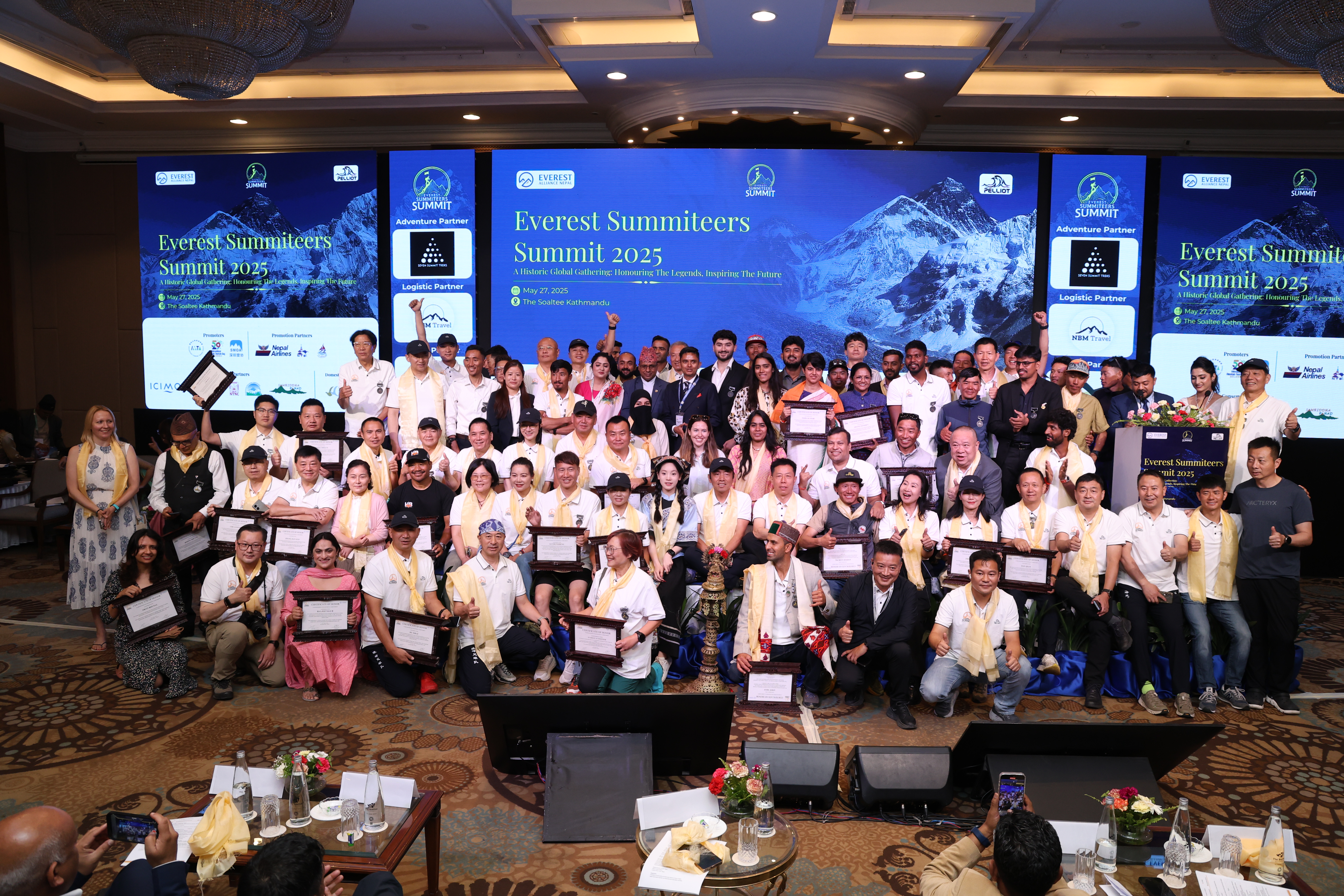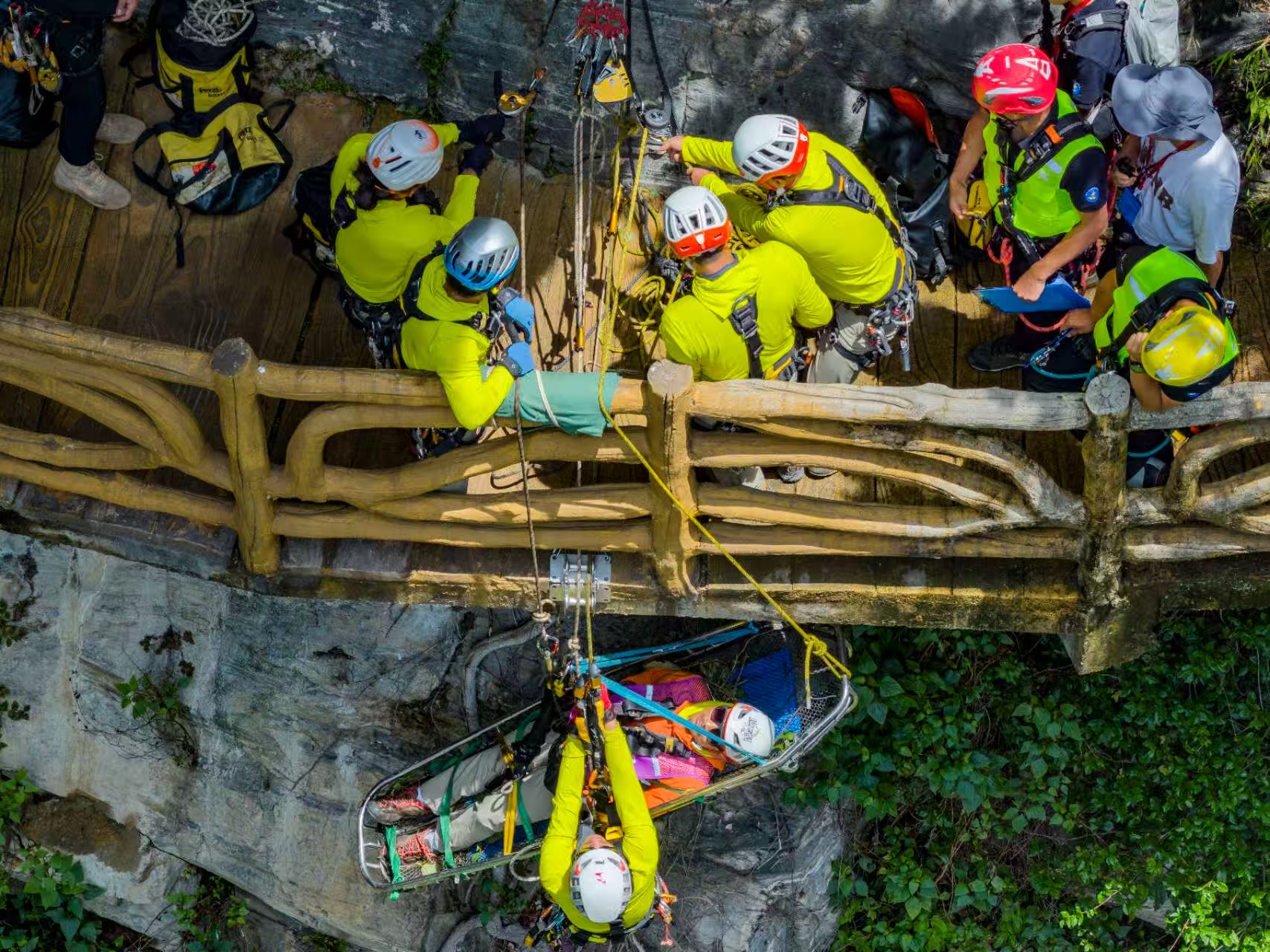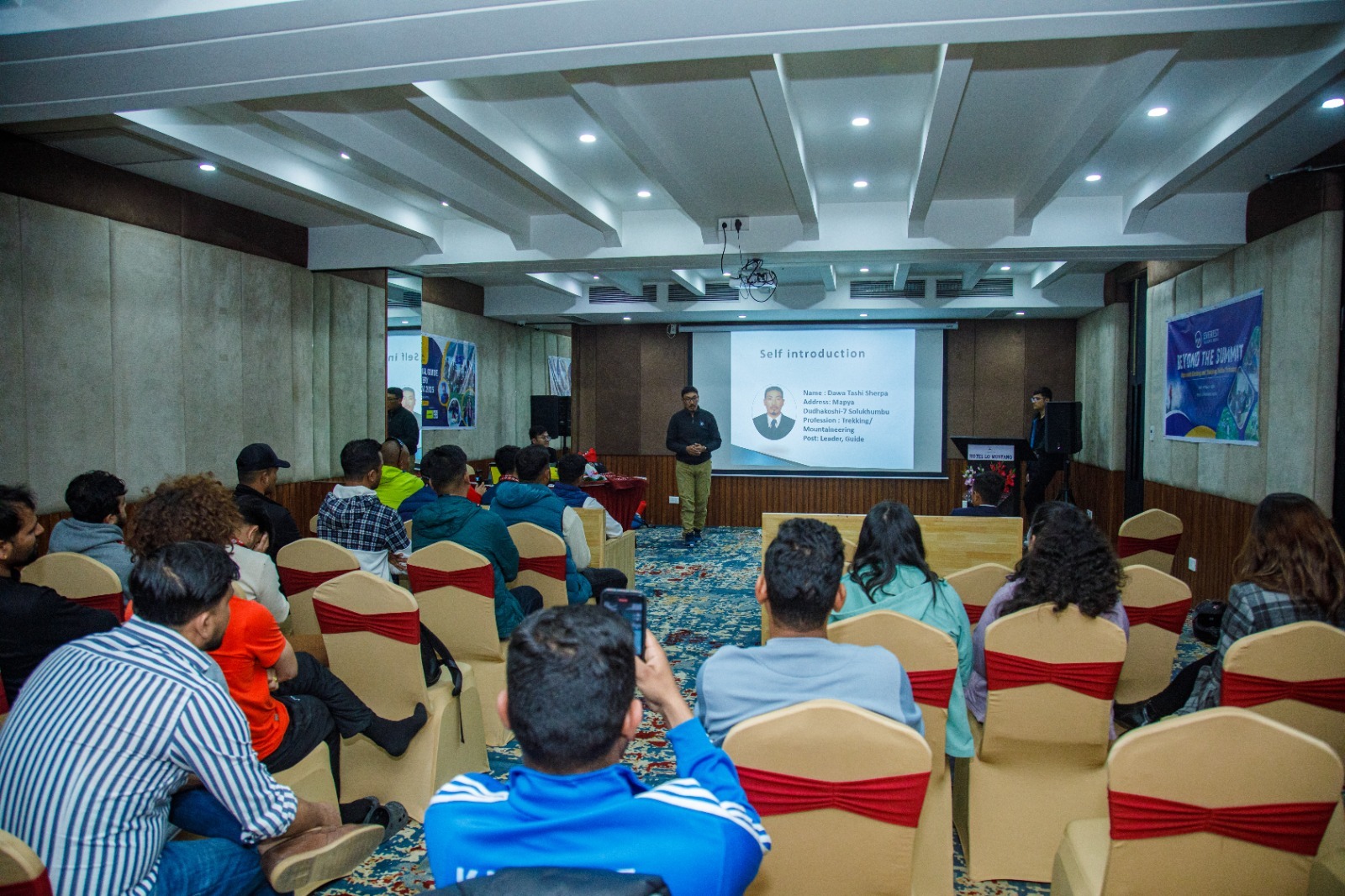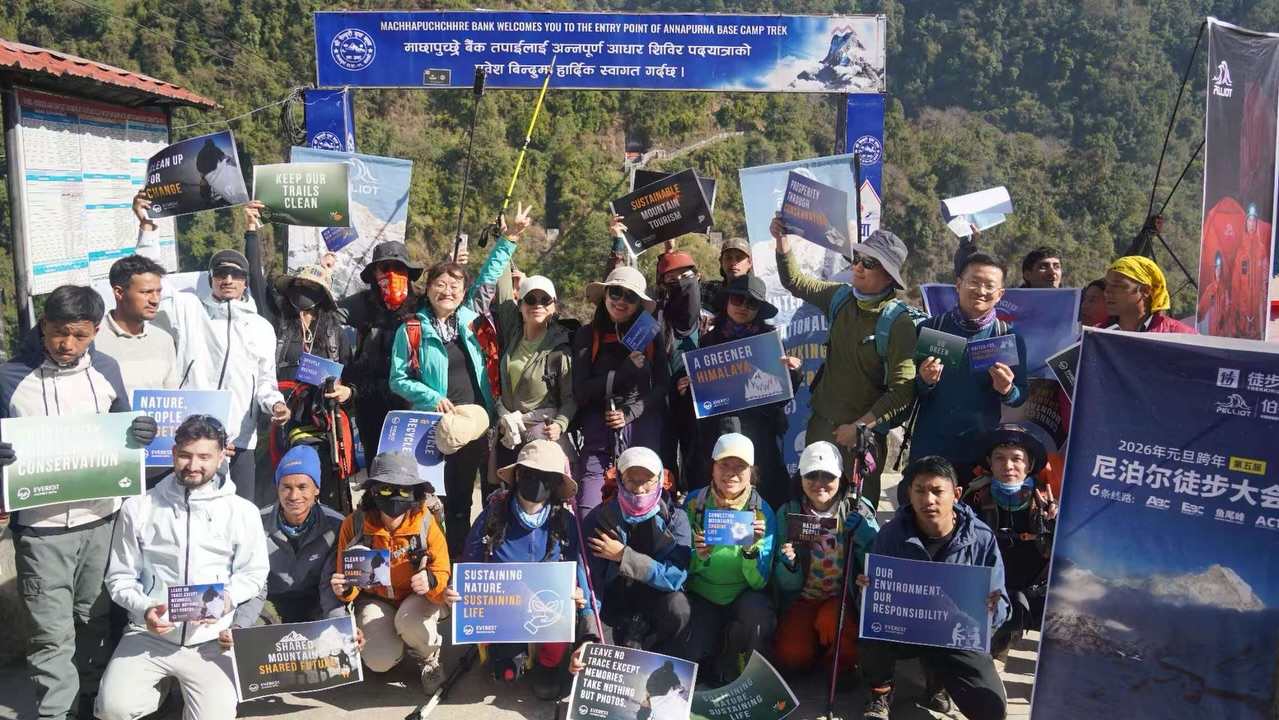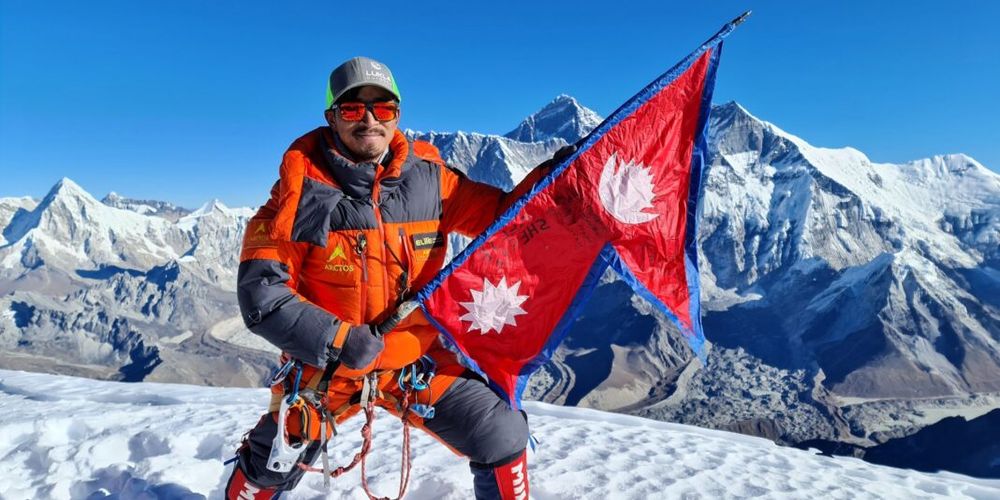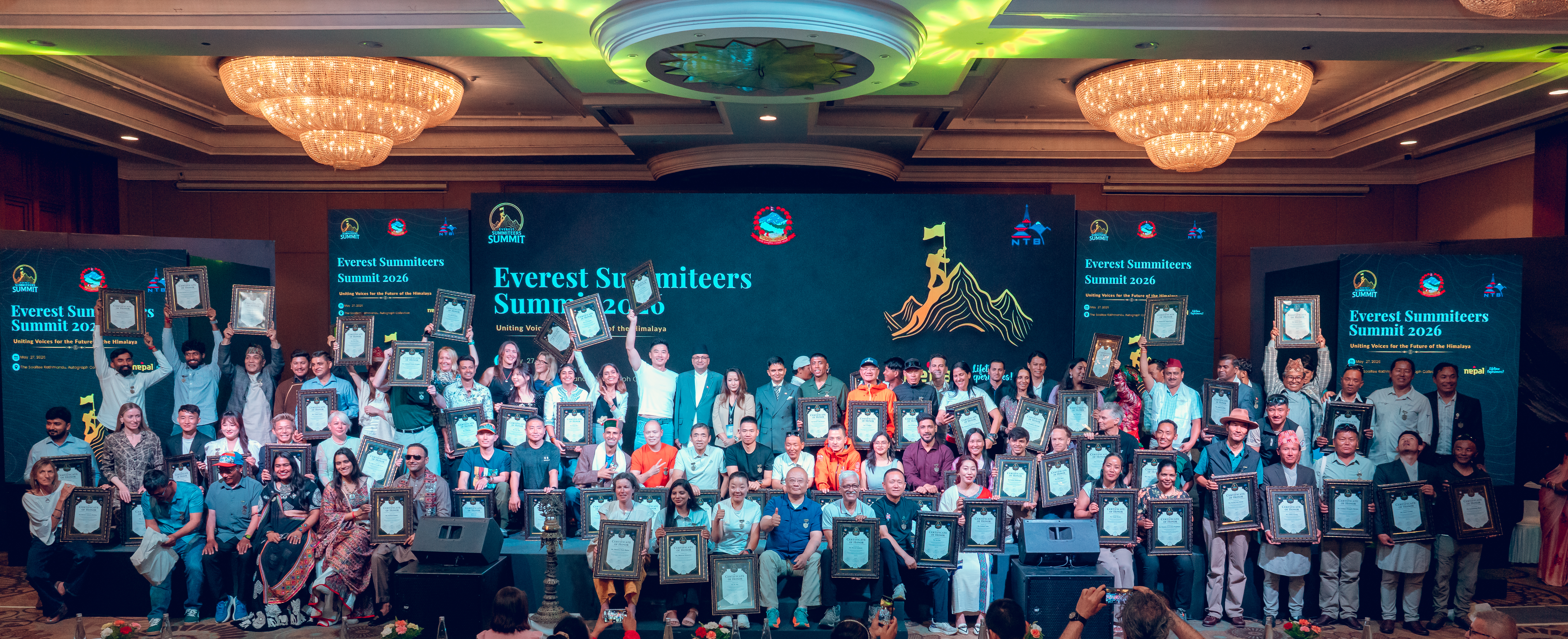
The Everest Summiteers Summit 2026 marks the second annual global gathering, building on the success of the 2025 edition, which brought together over 150 Everest summiteers, mountaineers, experts, policymakers, and stakeholders in Kathmandu, Nepal. Organized by Everest Alliance Nepal in collaboration with key partners, the inaugural summit highlighted the importance of honoring mountaineering legends while advancing sustainable practices and Himalayan conservation.
Scheduled for May 27, 2026, at The Soaltee Kathmandu, The Autograph Collection. this year’s summit will be held under the theme “Himalayan Innovation for a Sustainable Future.” It will focus on climate action, ethical tourism, technological innovation in mountaineering, and community empowerment, while addressing emerging policy developments such as Nepal’s Tourism Bill 2025.




Aligned with Nepal’s national tourism strategy, the summit promotes sustainable growth, community engagement, and the exploration of “hidden peaks.” It also supports global efforts in mountain conservation, biodiversity protection, and climate resilience, contributing to the Sustainable Development Goals (SDGs).
By fostering cross-border collaboration and leveraging technology to monitor environmental impacts, the summit aims to position the Himalayas as a global model for sustainable mountain development.
To position the Everest Summiteers Summit as the foremost annual international forum for sustainable Himalayan mountaineering, where historical achievements inspire innovative solutions, collective action preserves ecosystems, and global partnerships ensure the mountains’ legacy endures amid climate challenges.
To assemble a diverse array of stakeholders—including summiteers, policymakers, scientists, conservationists and youths—to exchange knowledge, celebrate milestones, and commit to evidence-based strategies that combat climate change, advance ethical tourism, empower indigenous communities like Sherpas, and integrate modern technologies for safer, greener expeditions.
Employing the SMART framework for precision:
Sub-objectives include achieving 40% youth participation (under 30), 50% gender balance in speakers, and incorporating VR/AR tools for immersive conservation education, ensuring inclusivity and innovation.
Registration Information
We are pleased to inform you that Everest Summiteers can attend the program free of charge. There is no registration fee for Everest Summiteers.